

Light bulbs are a common household waste product in virtually every home. Proper recycling is often a source of confusion for consumers, as not all light bulbs can be recycled in the same way. This is especially important because some contain hazardous or toxic materials, such as mercury, which require special handling to prevent environmental damage. In this article, we'll explain how to recycle used light bulbs , the different types available, and what to do with them to comply with environmental regulations.
Recycle used bulbs
When recycling used light bulbs , it's important to keep in mind that not all bulbs can be recycled in the same way, or even recycled at all. For example, halogen and incandescent bulbs are not included in the Waste Electrical and Electronic Equipment (WEEE) Regulation, which governs the recycling of electronic equipment. These bulbs must be disposed of differently, as they are not recyclable.
In contrast, LED , fluorescent , and energy-saving light bulbs contain components that can be recycled. Furthermore, some materials in these bulbs, such as glass and metals, can be reused in the manufacture of new products. However, it is essential that these bulbs are handled correctly at specialized recycling centers to prevent the release of toxic substances.
Types of bulbs

It is essential to know the different types of light bulbs and how they should be managed at the end of their life. Here is how to properly dispose of each type:
- Incandescent and halogen bulbs: These types of light bulbs cannot be recycled. They must be disposed of in the waste container (grey or dark green, depending on your area). This is where items that do not have a specific recycling container are disposed of.
- Energy-saving light bulbs (CFL or fluorescent): These bulbs contain mercury, a highly toxic metal, so proper management is essential. They should never be thrown into the trash or conventional glass recycling bins. Instead, they should be taken to clean points where they are properly treated to prevent the release of mercury.
- LED bulbs: LED bulbs are more efficient and sustainable, and their electronic components can be reused. To recycle them, you must take them to a recycling center or to the specialized collection areas that many establishments provide.
How to recycle light bulbs creatively
Creatively reusing light bulbs, also known as upcycling , offers various ways to repurpose materials from bulbs that aren't typically recyclable. Here are some creative ideas for reusing incandescent light bulbs and giving them a second life:
- Mini vase: By removing the base and the filament inside, you can turn a light bulb into a small flower vase. This vase can be placed on shelves with a base or even hung from the ceiling with a wire.
- Coat rack: Fill an empty light bulb with cement and place a screw in its center. Once dry, you can use it as a coat rack. It can also be a decorative element for furniture, replacing traditional handles.
- Oil lamp: To create an oil lamp, remove the inner filament and fill the bulb with oil or lamp alcohol. Insert a wick and you will have an original lamp.
- Christmas decorations: You can paint and decorate old light bulbs to use as unique Christmas decorations. All you need is some paints and a ribbon to hang them on your Christmas tree.
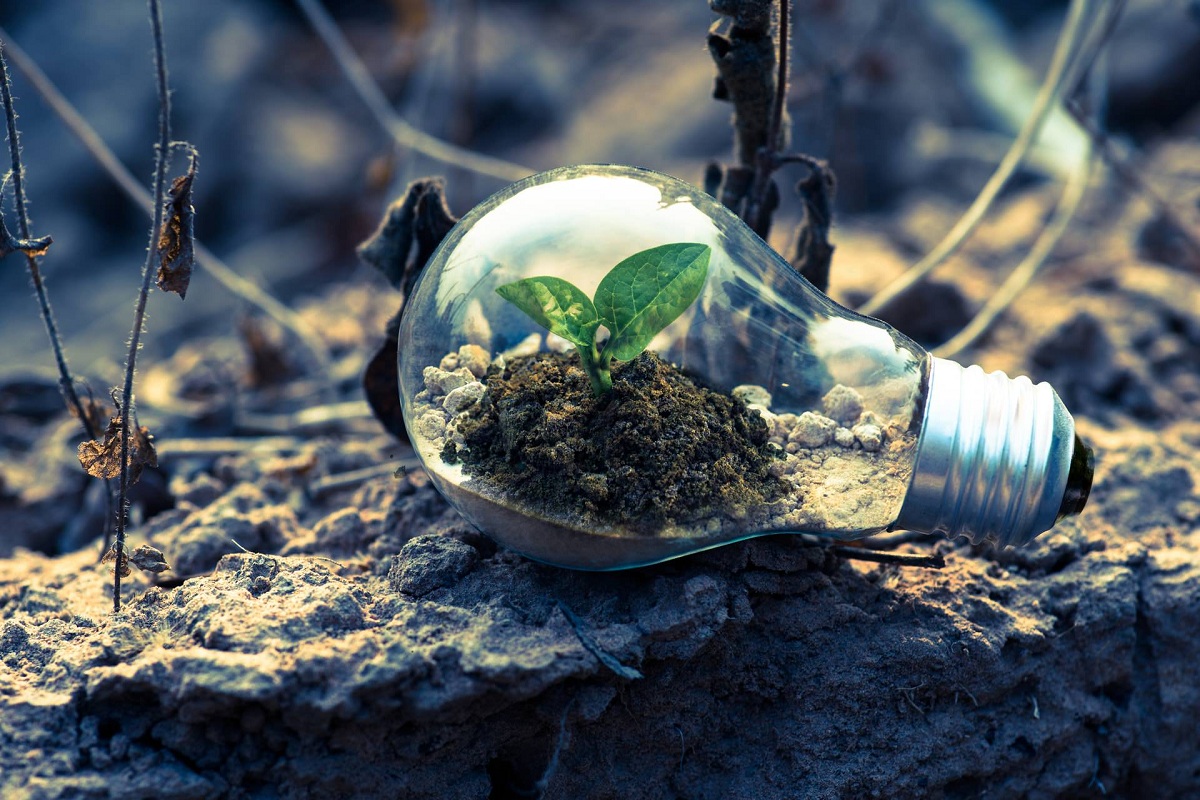
- Terrariums: Place small pieces of moss, soil and stones inside a light bulb to create a decorative terrarium. Place them on a base or hang them to add a natural touch to any space.
Where they are recycled according to their type

It is not always easy to know where to take used light bulbs for proper recycling. Light bulbs should not be thrown into the green glass container, as in addition to glass, they contain other materials that make recycling difficult if they are not separated correctly.
Bulb collection points:
Normally, the bulbs can be taken to clean points y local recycling centers specialized in electronic waste. In addition, some lighting stores, hardware stores and supermarkets also have specific containers for the collection of used light bulbs. The association AMBILAMP, which is responsible for managing the collection and recycling of light bulbs, has a web search engine where you can locate the nearest collection point.
The light bulb recycling process begins with separating the materials that make them up. Hazardous compounds, such as mercury and fluorescent powder, are extracted and stored safely. The remaining components, such as plastics, metals, and glass, are sent to specialized plants for treatment and subsequent reuse in new industrial applications.
Recycling light bulbs not only helps reduce the impact of toxic waste, but also contributes to the conservation of natural resources, since metals and other materials are recovered and can be reused.
Staying informed and recycling our light bulbs correctly is a small action that has a positive impact on both our environment and long-term sustainability, helping to reduce the ecological footprint we generate with electronic waste in our homes.