

Coal-fired power has been the primary source of electricity generation in many parts of the world for decades. However, despite its historical importance, it is also considered one of the biggest contributors to environmental pollution and a key factor in the worsening of climate change.
But how exactly does coal power affect the environment and what consequences does it have for our health and the global ecological balance? Let's take a closer look.
Environmental impact of coal power
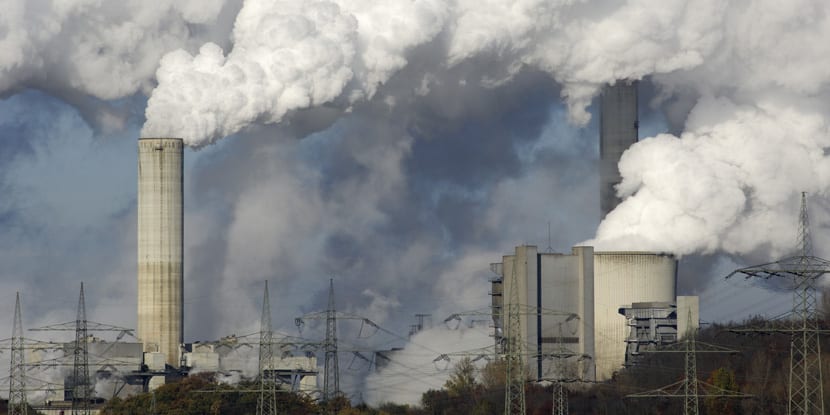
The use of coal to generate electricity has an extremely harmful environmental impact. Coal-fired power plants emit huge amounts of carbon dioxide (CO2), one of the main greenhouse gases responsible for global warming. Studies have estimated that for every tonne of coal burned, more than 2,5 tonnes of CO2 are released into the atmosphere.
Besides carbon dioxide, methane (CH4) is also released, another gas that, although less frequently mentioned, has a considerably greater warming potential than CO2 in the short term. These greenhouse gases not only contribute to climate change but also directly affect human health, as they increase concentrations of smog and other air pollutants.
In addition to greenhouse gases, there are other solid and liquid particles that are emitted into the air, such as mercury and soot, which are highly toxic. Mercury, for example, is a heavy metal that spreads through the air and can contaminate aquifers and river systems. Soot, for its part, worsens air quality, creating serious respiratory problems in populations near the plants.

Coal power weaknesses
One of the main weaknesses of coal-fired power is its low energy efficiency. It is estimated that only around 35% of the coal used in power plants is converted into usable energy , meaning that much of the coal is wasted as heat and polluting emissions. This is significantly less efficient than other energy sources such as nuclear, solar, or wind power.
Despite its inefficiency, coal is still widely used due to several factors. In many countries, especially those rich in coal reserves, coal extraction is very cheap compared to other energy sources. It is an abundant source, making it an attractive option in terms of cost, especially in developing countries or those that have not yet opted for cleaner renewable energy.
Other factors that perpetuate their use include subsidy policies in some nations and a lack of investment in plant modernization. Many coal plants have been operating for decades, without having undergone significant overhauls or improvements to their infrastructure to adapt to cleaner technologies.
Environmental consequences of coal use
The consequences of continuing to use coal as an energy source are serious for both the environment and public health. One of the main consequences is the massive emission of sulfur dioxide (SO2) and nitrogen oxides (NOx). Both pollutants cause acid rain , a phenomenon that damages soils, forests, lakes, and rivers, severely impacting biodiversity.
The effects of acid rain include soil erosion, acidification of water sources and destruction of natural habitats. In the case of cities and towns, it can also cause corrosion of infrastructure, damaging buildings and costing millions in repairs each year.
Another direct consequence is the deterioration of air quality. Particulate matter from coal burning, known as PM10 and PM2.5, penetrates the lungs and causes serious respiratory complications, such as asthma, chronic bronchitis and lung cancer.
Mercury and other heavy metals released into the atmosphere during coal burning also impact aquatic ecosystems when they fall to the ground through rain. Water pollution from these elements affects not only wildlife but also the people who depend on these water sources for drinking and agriculture.
The future of coal power
To halt climate change and reduce environmental damage, it is essential to significantly reduce coal use. The scientific community is clear: coal must remain underground if we are to meet climate goals. The Paris Agreement established the need for a drastic reduction in emissions to limit the global temperature increase to 1,5 degrees Celsius.
Some countries have begun to take the first steps towards eliminating coal from their energy mix. Germany, for example, has set 2038 as the year when it will close all its coal plants, while Spain is accelerating the closure of its last mines.
The transition to renewable energy is essential. Clean energy sources such as solar, wind and geothermal energy are not only more sustainable, but also more economical in the long term. Countries such as Denmark and Costa Rica have already shown that it is possible to base their electricity grids almost entirely on renewable sources.
Every coal plant that closes is a victory for the environment and public health. However, nations with large coal reserves and whose economic growth depends on this resource must receive financial and technological support to make a fair and equitable transition to cleaner and more sustainable energy models.

There is an urgent need to implement measures to reduce carbon emissions, both at the political and business level. Only in this way can we prevent future generations from suffering the consequences of an overheated and environmentally degraded planet.