

As humanity seeks renewable energy sources to replace fossil fuels , biofuels have emerged. One such biofuel is biomethane . Biomethane is derived from biogas, which is produced from a wide variety of substrates. However, before this biogas can be used, it must be purified. This is how biomethane is created.
Below, we tell you all about this renewable biofuel and its potential to reduce emissions and contribute to the energy transition.
What is biomethane and how is it produced
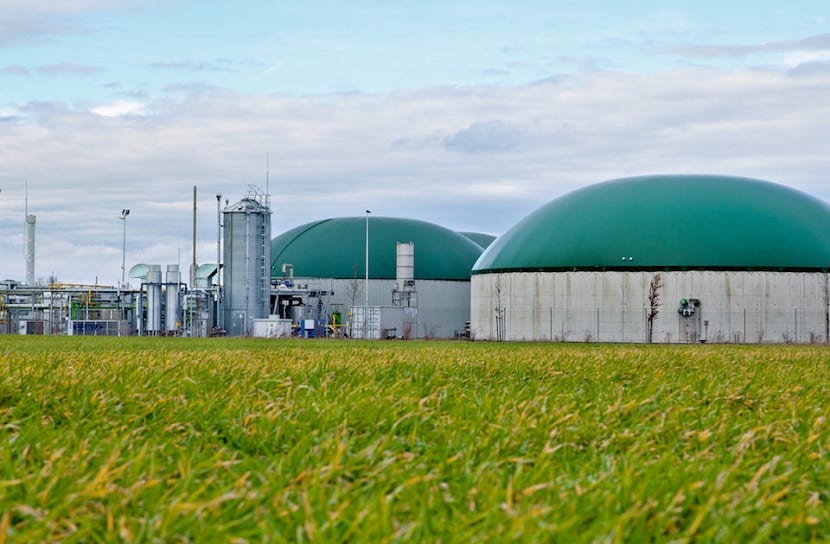
Biomethane is a type of renewable natural gas obtained from the purification of biogas, which results from the decomposition of organic waste in the absence of oxygen. This gas is an alternative to fossil fuels and has the potential to significantly reduce greenhouse gas emissions.
Biogas , as a primary source, is produced from various biological substrates, such as agricultural waste (manure, cover crops, straw), industrial and domestic waste, and sewage sludge. In addition to these, new technologies are being developed, including the use of green hydrogen in the Power-to-Gas process, which increases the amount of methane produced.
Biogas is generated by the anaerobic digestion of these materials, a process that does not involve oxygen. The bacteria responsible for the decomposition produce a gaseous mixture composed of approximately 50-75% methane (CH4), along with carbon dioxide (CO2) and small traces of water, nitrogen, oxygen, and hydrogen sulfide.
To convert biogas into biomethane, it is necessary to remove most of the CO2 and contaminants through purification processes. This ensures that the resulting gas, with a purity of approximately 96% methane , is suitable for use. This upgrading process allows the biomethane to meet natural gas quality standards and can completely replace it for industrial, domestic, and mobile applications.
Uses and sustainability
Biomethane is a versatile gas with multiple applications. Thanks to its composition similar to natural gas, it can be used in the same infrastructures already in place for fossil gas, making it an efficient solution for the energy transition.
Among the main uses of biomethane , its application for the following stands out:
- Injection into natural gas networks, used for heating, electricity production or industrial consumption.
- El Services, as fuel in compressed gas (bioCNG) or liquefied gas (bioLNG) vehicles. This use is particularly beneficial, as it considerably reduces CO2 and particulate emissions compared to fossil fuels.
The sustainability of biomethane lies in the fact that its production and use have a much more favorable net emissions balance than conventional natural gas. Substantial emissions are avoided during its generation, since the waste used as raw material does not release uncontrolled methane into the atmosphere. Furthermore, digestate, a byproduct of anaerobic digestion, can be used as an organic fertilizer, thus closing the nutrient cycle and avoiding the use of synthetic fertilizers.
The use of digestates can help reduce CO2 emissions by up to 13 kg per ton of synthesized fertilizer. This not only benefits the environment but also agricultural producers, who can reduce fertilization costs and contribute to the development of a circular economy.
Advantages of its use

Biomethane offers competitive and environmental advantages that make it a viable option in the fight against climate change:
- Emission reduction: By replacing fossil fuels, biomethane significantly helps reduce emissions of carbon dioxide and other greenhouse gases.
- Air quality improvement: Lower NOx and particulate emissions compared to fossil fuels, improving public health in urban environments.
- Energy independence: With this biofuel, countries can reduce their dependence on natural gas imports by generating energy locally from waste.
In addition, biomethane can generate employment, especially in rural areas. The construction and operation of biomethane plants requires labour, which contributes to strengthening local economies and improving sustainability in agricultural areas.
How is biomethane produced in Europe

Currently, many European countries are investing in biomethane as part of their energy transition. A total of 15 European Union countries actively produce and use biomethane.
One of the main applications in Europe is the production of heat and power through combined heat and power (CHP), but its use as a transport fuel is growing rapidly. In Sweden, for example, biomethane already overtakes natural gas in the automotive fuel market, and Germany has seen significant growth in recent years.
By 2020, biogas production in Europe was estimated to exceed 14 trillion cubic meters , equivalent to the volume of conventional natural gas. This increase in production has not negatively impacted food agriculture, as the use of digestate has allowed for efficient nutrient recycling and improved crop rotation.
The push for biomethane in Europe is supported by policies such as the REPowerEU plan, which has set an ambitious target of producing 35.000 billion cubic meters of biomethane annually by 2030. This reflects Europe's commitment to energy security and mitigating climate change.
Biomethane has emerged as a solid option to reduce dependence on foreign gas, improve air quality and contribute to the economic development of rural areas. European policies focused on the expansion of renewable gases, together with advances in upgrading technology, suggest that this biofuel will play a crucial role in the continent's energy future.